The Ultimate Guide to Kids Bunk Beds: Maximizing Space and Fun
With the increase of vertical living and smaller areas, the popularity of bunk beds has soared among families. Bunk beds not just use a useful sleeping service, especially in shared rooms, but they also bring a component of enjoyable into a child's life. This detailed guide explores the features, benefits, and considerations of kids' bunk beds, making it much easier for moms and dads to choose the right bed for their kids.
Functions of Kids Bunk Beds
Bunk beds are versatile pieces of furnishings that serve more than a single function. Here are some crucial features to consider:
| Feature | Description |
|---|---|
| Product | Bunk beds can be built from wood, metal, or a combination of both, using differing levels of durability and style alternatives. |
| Safety Features | Many bunk beds come geared up with guardrails, safe ladders, and topped assistances for safety, particularly important for children. |
| Design Variety | Alternatives range from traditional designs to modern styles, guaranteeing a match for any space decoration. |
| Space-Efficiency | Bunk beds make use of vertical space, making them ideal for smaller sized spaces. |
| Convertible Options | Some models can be converted into 2 different beds, providing flexibility as kids grow. |
| Storage Solutions | Some bunk beds include built-in storage drawers or racks, assisting to keep the space organized. |
Advantages of Kids Bunk Beds
Purchasing a bunk bed features a number of benefits:
- Space Saving: Bunk beds take full advantage of flooring space, permitting for more play location or storage services.
- Fun Factor: With a bunk bed, kids have a location that cultivates imagination and friendship throughout slumber parties or playdates.
- Cost-efficient: Instead of acquiring two separate beds, a bunk bed can accommodate two kids at when, saving money in the long run.
- Versatility: Many bunk beds can be taken apart or converted into twin beds, making them a long-term investment as kids's requirements change.
- Social Interaction: Bunk beds motivate family bonding and friendships, supplying an inviting space for children to share stories and laughter.
Considerations When Choosing a Kids Bunk Bed
When picking the best bunk bed for a kid, moms and dads should consider various elements:
- Safety Standards: Ensure that the bunk bed adhere to security regulations and features vital safety features.
- Age Appropriateness: Different designs accommodate various age. For my sources , standard bunk beds may not appropriate for younger kids.
- Space Dimensions: Measure the bedroom to guarantee the bunk bed fits appropriately, permitting space to move comfortably.
- Weight Capacity: Consider the weight load of each bed and ensure it accommodates the child's weight easily.
- Style Preferences: Letting children take part in the selection process can help them feel more fired up about their brand-new bed.
Kinds Of Kids Bunk Beds
Bunk beds can be found in different styles and configurations to match numerous needs:
| Type | Description |
|---|---|
| Requirement Bunk Bed | A timeless design with one bed stacked on top of another, typically using a ladder to access the top bunk. |
| L-Shaped Bunk Bed | Features two bunk beds linked in an L-shape, often more large and suitable for kids sharing a room however needing a bit more space. |
| Triple Bunk Bed | Comprises three stacked beds, suitable for optimizing sleeping arrangements in very limited spaces. |
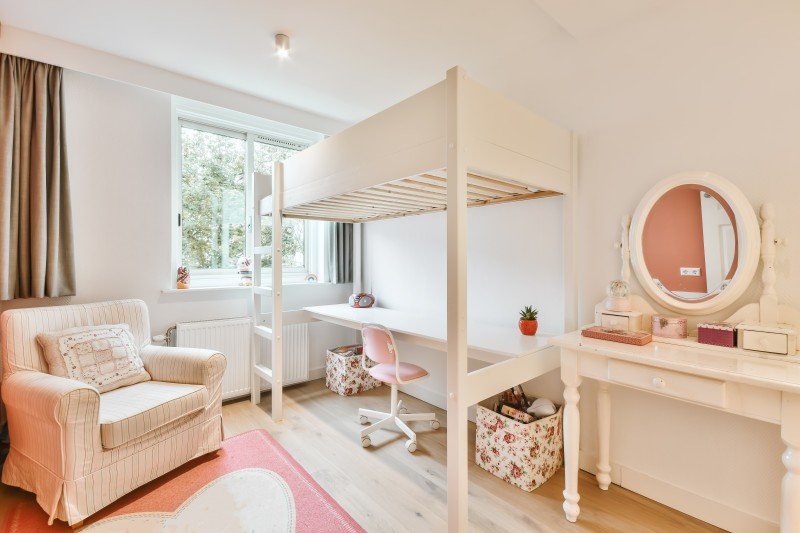
| Loft Bed | A raised bed with space underneath that can work as a backyard, study corner, or additional storage. |
| Futon Bunk Bed | Combines a bunk bed on the top with a futon or sofa below, making it great for slumber parties and taking full advantage of room usage. |
| Convertible Bunk Bed | Can be separated into two specific beds, using versatility as kids's requirements change. |
Taking Care Of Kids Bunk Beds
Preserving bunk beds is important for ensuring durability and safety. Here are some easy care practices:
- Regular Inspections: Check the bed routinely for loose screws and tightened bolts to ensure stability.
- Tidiness: Keep bedding clean and fresh, rotating mattresses for even wear.
- Guardrails: Ensure guardrails are secure and in location, specifically if kids tend to move a lot in their sleep.
- Air Circulation: Ensure the bed has sufficient air flow, avoiding moisture accumulation that can lead to mold or mildew.
FAQs About Kids Bunk Beds
Q1: At what age can a child securely utilize a bunk bed?
A1: Generally, kids aged six and older are considered safe to use the upper bunk due to the height and stability elements included.
Q2: Can I put a bunk bed near a window?
A2: It is recommended to prevent positioning a bunk bed near windows to lower the danger of falling or injuries.
Q3: Are bunk beds safe for more youthful children?
A3: While some modern-day bunk beds include safety functions accommodating younger children, it is generally suggested to wait up until they are older, generally over 6 years.
Q4: What is the normal weight limit for leading bunks?
A4: Weight limits vary by model but typically range from 150 to 250 pounds. Always refer to the manufacturer's specifications.
Q5: How frequently should I check the bunk bed's safety functions?
A5: It is recommended to carry out a safety check every few months or whenever you observe any indications of wear.
Kids' bunk beds serve as a tactical option for families looking to take full advantage of space while supplying a fun and appealing sleeping environment for their kids. With a range of alternatives available-- from basic designs to loft beds-- moms and dads have the freedom to select something that fulfills their household's specific requirements. By thinking about vital aspects such as security, room suitability, and their kids's preferences, moms and dads can make an informed choice, ensuring that each kid is thrilled about bedtime while gaining from an efficient room.